América do Sul e o Planeta Terra
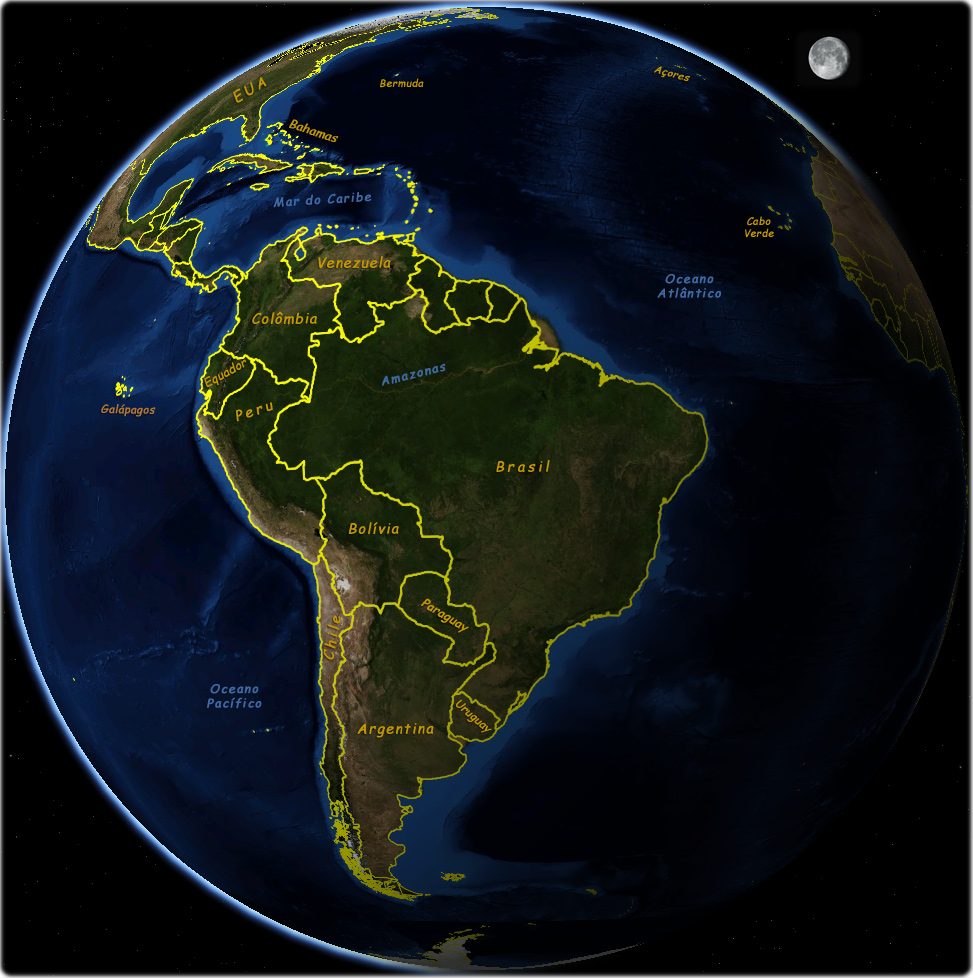
O Planeta Terra visto da Apollo 8, em 1968, com a América do Sul.
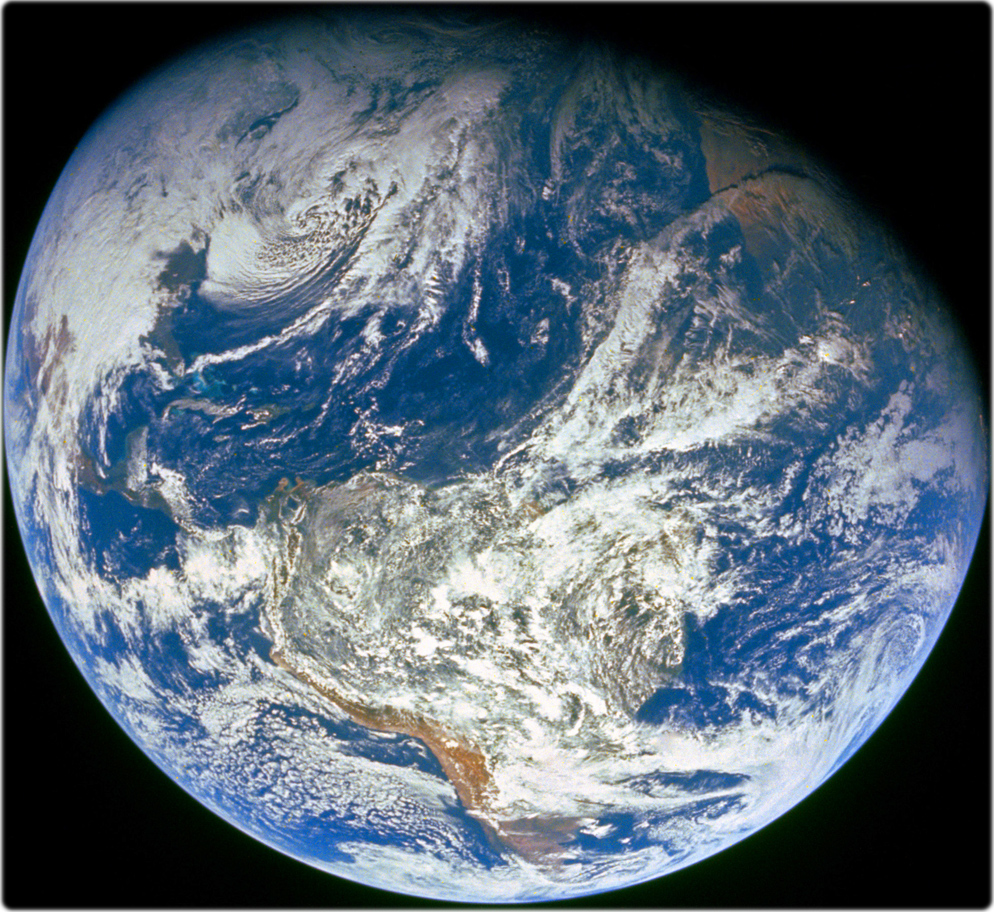
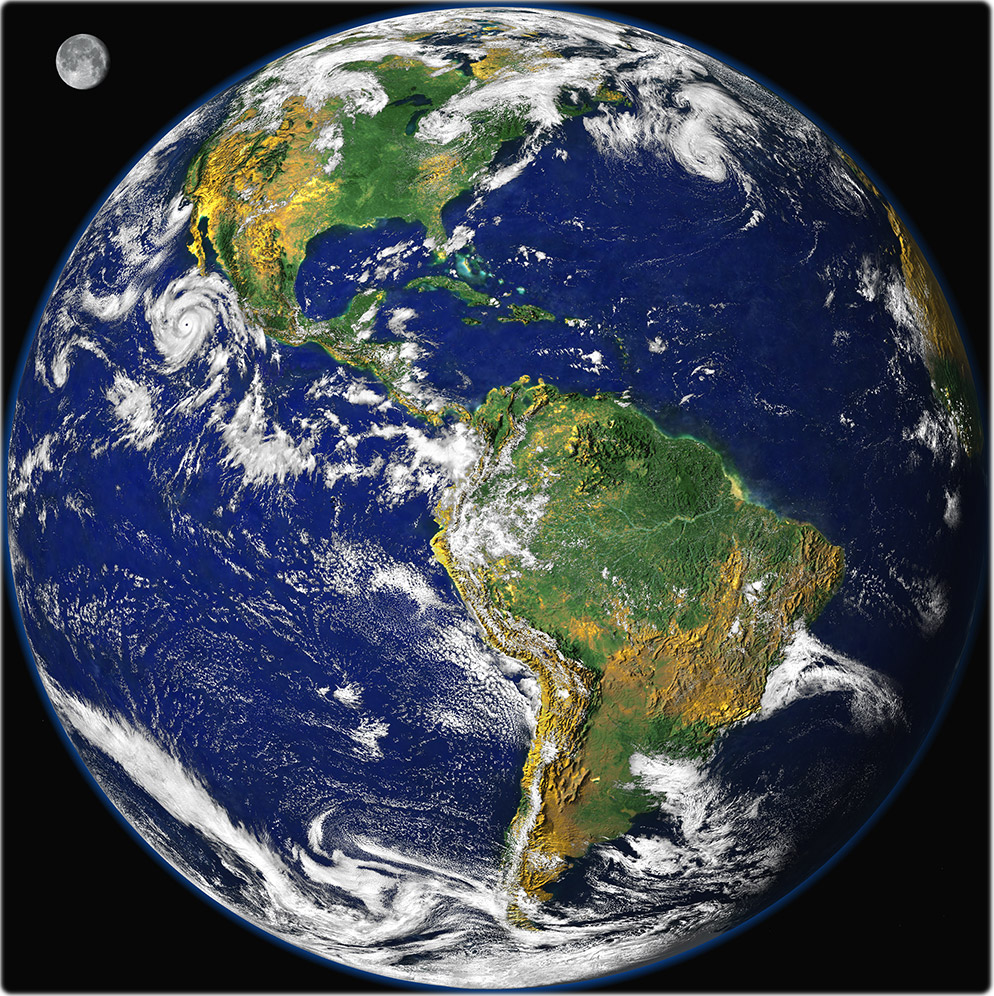

Imagens da Terra
|
Copyright © Guia Geográfico - Imagens de satélite da Terra. |
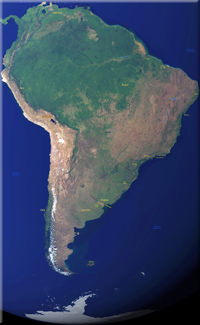
A América do Sul é uma das quatro partes da América. As demais são América do Norte, América Central e Antilhas. Tem forma aproximadamente triangular, como o Brasil, e imensa diversidade física, cultural e do meio ambiente. Aqui floresceram o Império Inca, povos da Amazônia e outras culturas antes das conquistas europeias no século 16.
A América do Sul possui doze países: Brasil, Uruguay, Paraguay, Argentina, Chile, Bolívia, Peru, Equador, Colômbia, Venezuela, Guyana e Suriname. Existe ainda a Guyana Francesa e as Ilhas Malvinas, território britânico.
Brasília
Rio de Janeiro
Fortaleza
Recife
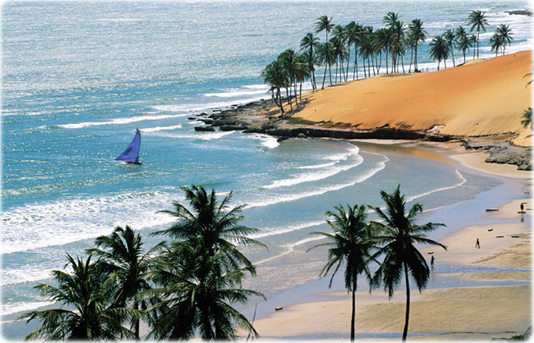
A bela praia de Lagoinha, em Paraipaba, Ceará. Destino turístico imperdível.
Porto Seguro
Salvador
Belém
Vitória
Florianópolis
São Luís
Aracaju
Natal
NASA - USGS
Divulgação
